A customer orders a small skincare bottle online. The bottle arrives inside a large shipping carton, wrapped in plastic, surrounded by filler, and packed in another box. The product arrives in excellent condition, but to get to the bottle, the customer has to remove a pile of useless packaging, which is frustrating.
Frustration free packaging focuses on making the package easy to open, simple to handle, and less wasteful while protecting the product during delivery. The point isn’t to remove every layer, but to question each one and whether it actually has a purpose. Let’s explore frustration free packaging and its benefits in detail.
What is Frustration-Free Packaging?
Frustration free packaging is a type of ecommerce packaging that makes a product easier to open and reduces unnecessary material while protecting the product during shipping. The design usually considers five things:
- How the customer opens it
- How much material it uses
- How closely it fits the product
- How well it protects the product
- What happens to the packaging after use
A small item does not necessarily need a large carton that later requires void filler to fill the space inside. A product that is safe in a paper carton does not need an additional plastic shell. Similarly, a tear strip can replace several layers of tape.
Protection is key to the design. Products at risk of breakage during transit should use cushioning. Remember, frustration-free packaging removes unnecessary packaging, not necessary protection.
Key Features of Frustration-Free Packaging
Easy to Open
Some packages make customers use scissors or a knife to reach the product. Tear strips, perforations, pull tabs, and tuck closures can remove that extra step.
Take a USB cable in a compact paperboard carton. A pull tab gives the customer a clear opening point. You don’t need a sealed plastic clamshell that has to be cut apart.
Right-Sized Packaging
A box should not be much larger than the product. Some extra space is important for cushioning or other protective features.
A coffee mug packed in a corrugated carton with a fitted insert that holds it securely makes a smart choice rather than putting it in a large empty box with loose cushioning.
Minimal Packaging Structure
Frustration free packaging avoids extra layers that serve no real purpose. A product does not need plastic wrapping, an inner carton, an outer box, foam, and several strips of tape when fewer components can provide the same level of protection.
Recyclable Materials
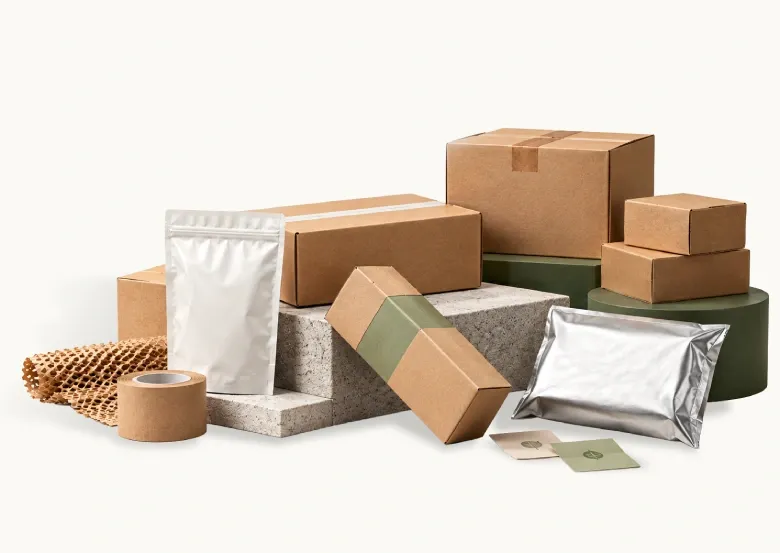
Paperboard, corrugated cardboard, kraft paper, and molded fiber are common materials for frustration free packaging. They can also be used for wrapping, cushioning, and inserts.
Recycling facilities must also consider the complete package; coatings, adhesives, plastic windows, and mixed materials can affect whether a package is accepted.
Benefits of Frustration-Free Packaging
Frustration free packaging improves the customer experience. Customers don’t have to cut through several layers of tape, tear apart plastic seals, or open multiple boxes to reach the product. Tear strips, pull tabs, and simple closures make the process quicker and more convenient.
Using fewer unnecessary layers leaves customers with less packaging waste to dispose of after opening an order. Right-sized packaging reduces the space a product occupies in storage and during transportation. Smaller packages allow more orders to fit into the same storage area or shipment.
A package with a suitable box and fitted inserts keeps the product secure without the need
of excessive filler. This gives customers a cleaner way to unpack their order and makes the packaging feel more organized.
Lastly, frustration free packaging is cost-effective because it reduces extra material costs, and smaller packaging lowers shipping costs as well.
Amazon Frustration-Free Packaging Program
Amazon’s Frustration-Free Packaging, or FFP, is a specific program for products sold through Amazon. It focuses on packaging that protects products during shipping, makes them easier for customers to open, and reduces unnecessary packaging.
Amazon also uses the Ships in Product Packaging concept for eligible products. These products can reach customers in their own packaging without an additional Amazon shipping box or bag. That can remove an extra packaging layer from the order.
FFP is not simply a label that any recyclable cardboard box can receive. Products submitted to Amazon’s packaging programs must meet specified requirements and pass packaging tests. The requirements cover packaging materials, product protection, and ease of opening.
Businesses interested in certification should check Amazon’s current requirements because program rules and testing details can change.
Examples of Frustration- Free Packaging
Skincare
A moisturizer in a fitted paperboard box without extra plastic wrapping shows how minimal skincare packaging can reduce unnecessary material while keeping the product protected. The carton also gives customers a simple package to open and dispose of.
Electronics
A wireless mouse in a compact corrugated box with a molded paper insert. The insert keeps the mouse from moving during delivery without filling the box with loose plastic.
Home Goods
A candle secured with folded cardboard protective inserts instead of foam stays stable while reducing unnecessary cushioning. It also makes the package easier to empty after delivery.
Apparel Packaging
A T-shirt shipped in a recyclable paper mailer demonstrates how packaging can match the product. Since clothing usually doesn’t need rigid protection, the mailer can replace a larger box and plastic fillers. This reduces both material use and package size.
These examples follow the same basic principle: use enough packaging to protect the product, but avoid materials, space, and opening steps that don’t add real value.
How Can Businesses Make Packaging Less Frustrating?
Businesses can make packaging less frustrating by looking at it from the customer’s side. Check:
- How many pieces have to be removed before the product can be used?
- Does the customer need scissors?
- Is there a large amount of space?
- Is there a layer that could be removed without affecting protection?
These questions reveal simple changes. A business might reduce the box size, replace loose filler with fitted inserts, add a tear strip, or remove an inner wrap that no longer serves a useful purpose. Excessive tape is another easy place to look.
Test the revised package before it goes into regular production. Opening tests can show where customers struggle, while drop, compression, and transit testing can reveal whether the package still protects the product.
The best result is not the package with the fewest materials. It is the package that uses enough material to protect the product without making the customer deal with packaging that serves no useful purpose.
Conclusion
Frustration free packaging is about making the journey from delivery box to product simpler. Easy-to-open features, suitable dimensions, fewer unnecessary layers, and practical recyclable materials can all contribute to that result. The key is to keep product protection in the equation. Cutting packaging without testing the consequences can create more damage and waste, not less.