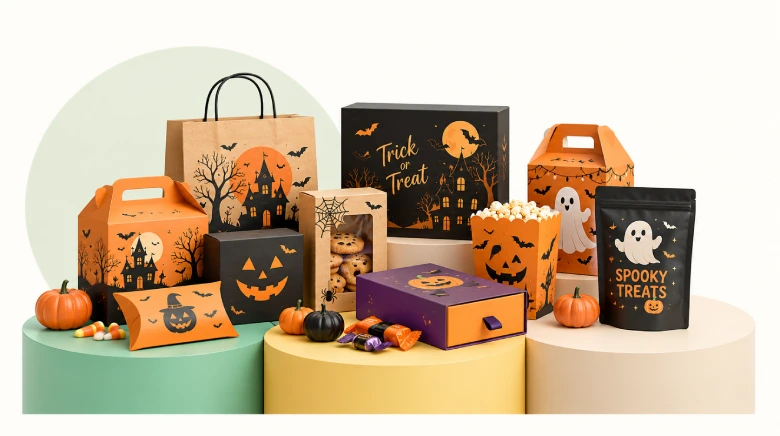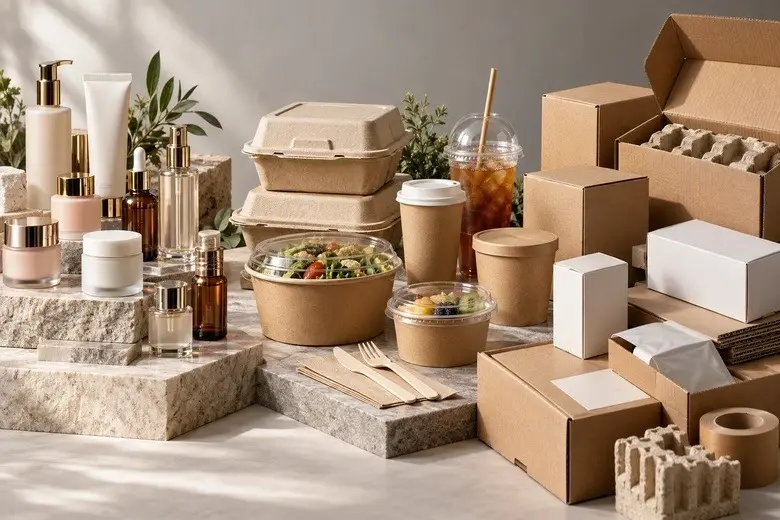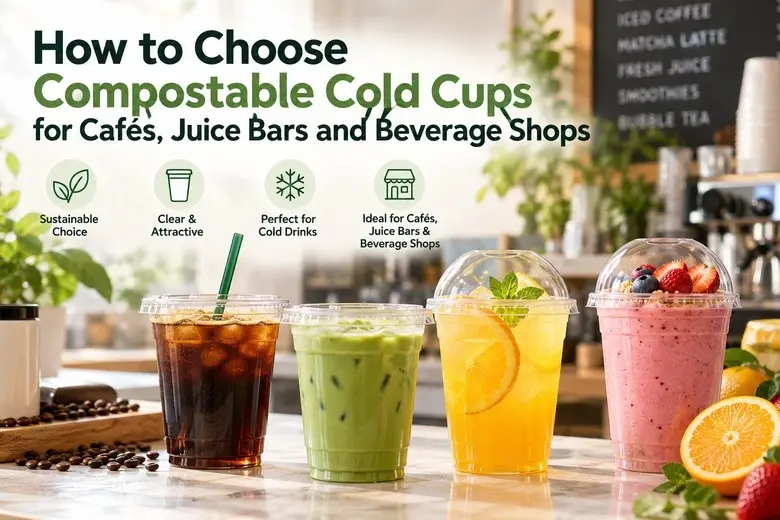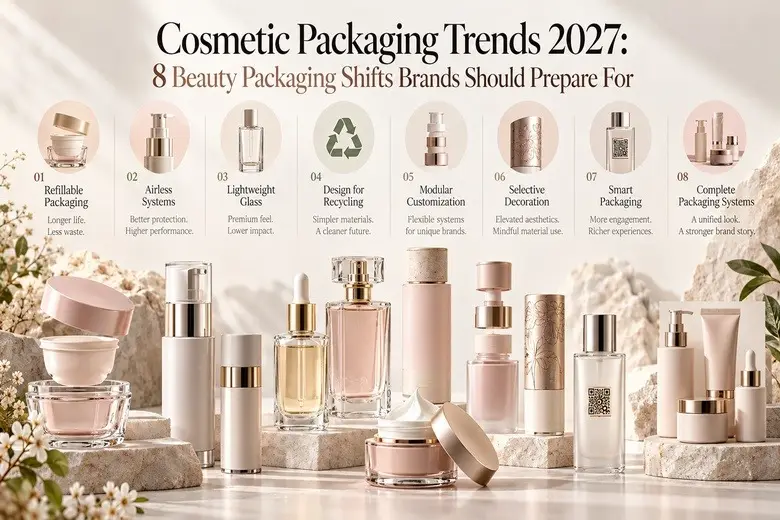
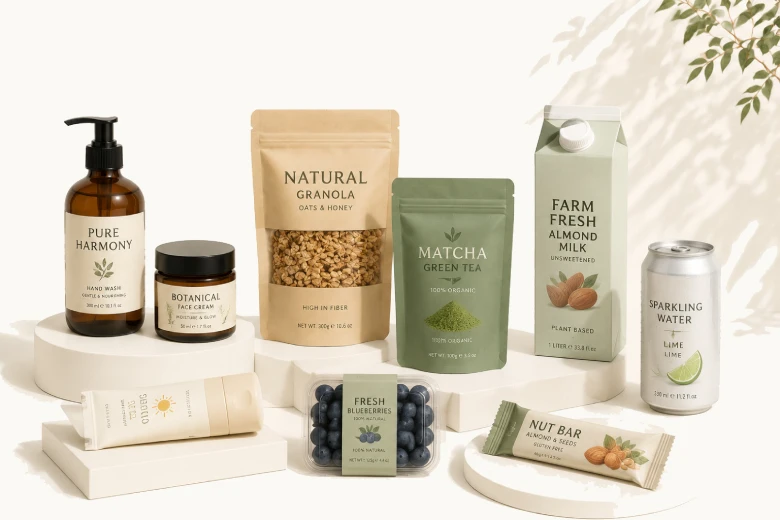
Besides protection, primary packaging also improves convenience by making products easier to store, carry, open, and use. It also serves as the first point of interaction between a brand and its customers, making it an essential part of branding and product presentation.
Understanding primary packaging is an important part of learning how packaging protects, presents, and moves products through the supply chain.
Common Types of Primary Packaging
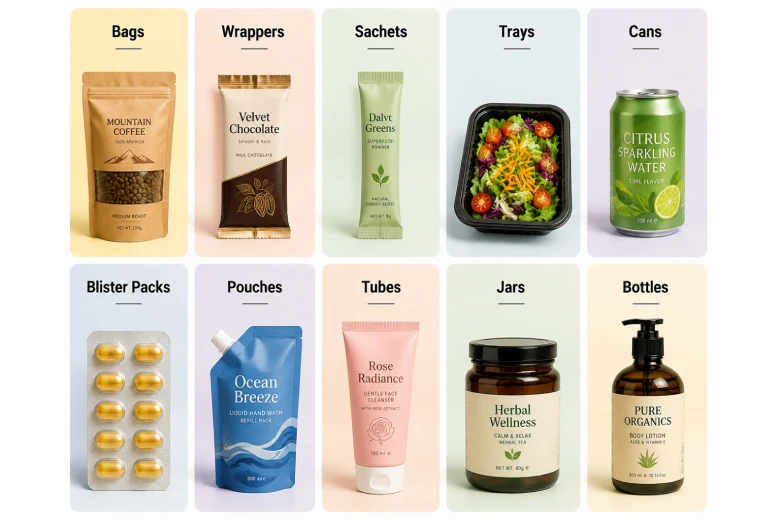
Primary packaging is one of the main types of packaging that comes in many forms, depending on the product it is designed to hold. Each type is created to provide the right level of protection while making the product easy to use.
Bottles
Bottles are commonly used for beverages, personal care products, medicines, cleaning supplies, and oils. They are available in plastic, glass, and aluminum, offering excellent protection against spills and contamination.
Jars
Jars are ideal for products such as creams, candles, sauces, honey, spices, jams, and cosmetics. They provide a wide opening for easy access and can be made from glass or plastic.
Tubes
Tubes are commonly used for toothpaste, ointments, lotions, gels, and cosmetic products. They allow controlled dispensing while protecting products from air and moisture.
Pouches
Pouches are lightweight, flexible, and space-efficient. They are widely used for snacks, coffee, frozen foods, pet food, and liquid products.
Blister Packs
Blister packaging is commonly used for pharmaceutical tablets, capsules, batteries, electronics, and small retail products. It keeps individual items protected while providing tamper evidence.
Cans
Metal cans are used for beverages, canned foods, paints, and aerosols. They offer excellent protection against light, oxygen, and moisture.
Trays
Trays are commonly used for meat, fruits, vegetables, baked goods, and ready-to-eat meals. They help organize products while preventing damage during transportation.
Sachets
Sachets are small sealed packets designed for single-use products such as ketchup, shampoo, coffee, sugar, spices, and skincare samples.
Wrappers
Wrappers are used for chocolates, candies, soaps, biscuits, and other consumer products. They provide a protective barrier while displaying important product information.
Bags
Bags are widely used for flour, rice, pet food, coffee beans, clothing, and industrial products. They are available in paper, plastic, woven, and laminated materials.
Primary Packaging Materials
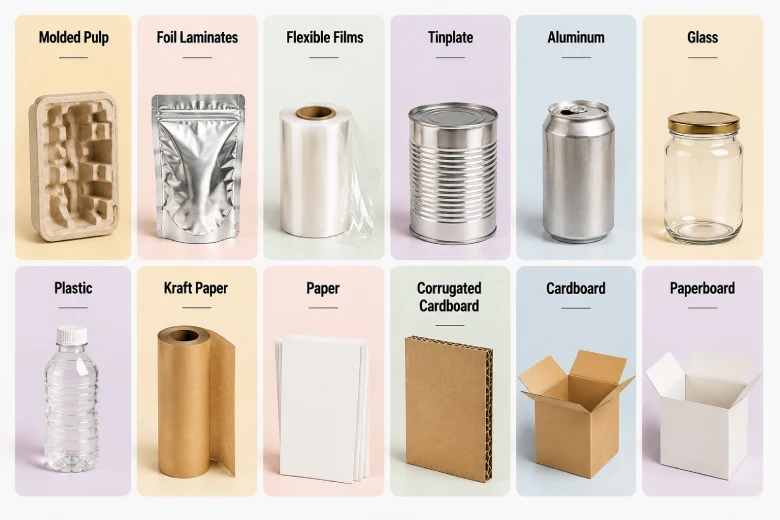
The packaging materials used for primary packaging depend on the product, its storage requirements, transportation conditions, and expected shelf life.
Paperboard
Paperboard is lightweight, recyclable, and easy to print. It is commonly used for food cartons, cosmetic packaging, and pharmaceutical products.
Cardboard
Cardboard provides greater strength than paperboard and is suitable for lightweight consumer goods and retail packaging.
Corrugated Cardboard
Corrugated cardboard offers additional strength and cushioning. Although commonly associated with shipping, it is also used as primary packaging for products like pizza, bakery items, and fresh produce.
Kraft Paper
Kraft paper is durable, recyclable, and environmentally friendly. It is widely used for food packaging, shopping bags, and eco-friendly product packaging.
Plastic
Plastic remains one of the most commonly used packaging materials because it is lightweight, moisture-resistant, and highly versatile. It is available in many forms to suit different applications.
Glass
Glass offers excellent protection against moisture, oxygen, and chemicals. It is commonly used for beverages, perfumes, medicines, sauces, and premium cosmetic products.
Aluminum
Aluminum provides a strong barrier against light, moisture, and oxygen. It is commonly used for beverage cans, foil packaging, and pharmaceutical applications.
Tinplate
Tinplate is a steel material coated with tin to resist corrosion. It is commonly used for food cans, paint containers, and specialty packaging.
Flexible Films
Flexible films include materials such as polyethylene, polypropylene, and polyester. They are used for pouches, wrappers, vacuum packaging, and frozen food packaging.
Foil Laminates
Foil laminates combine multiple materials to create high-barrier packaging for coffee, medicines, snacks, and sensitive food products.
Molded Pulp
Molded pulp is manufactured from recycled paper fibers and provides excellent cushioning for eggs, electronics, and fragile products.
Examples of Primary Packaging
Primary packaging is found in almost every product people use daily. Some common examples include:
- A water bottle holding drinking water.
- A toothpaste tube containing toothpaste.
- A yogurt cup holding dairy products.
- A medicine blister pack protecting tablets.
- A perfume bottle containing fragrance.
- A coffee pouch preserving coffee beans.
- A chocolate wrapper protecting chocolate.
- A glass jar containing honey.
- A shampoo bottle storing shampoo.
- A soap wrapper protecting bar soap.
Primary Packaging Across Different Industries
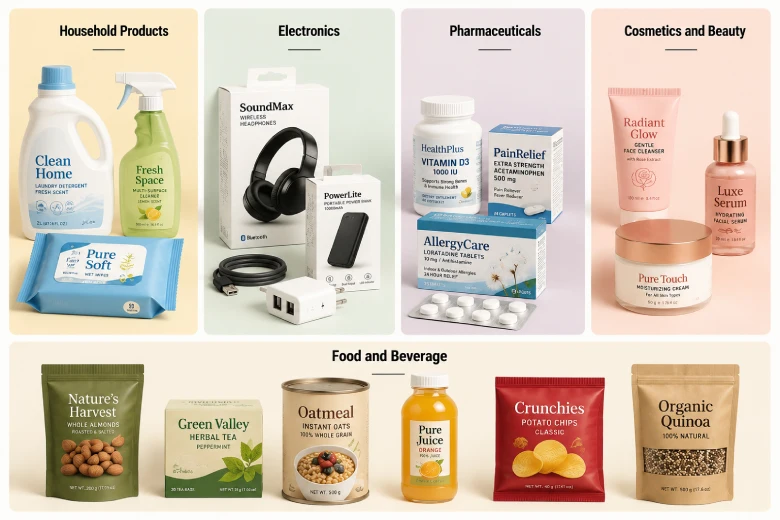
Various industries have their own unique product needs and require packaging to match. Here are some of the most popular industries that use primary packaging:
Food and Beverage
Primary packaging protects food from contamination while maintaining freshness, flavor, and shelf life.
Cosmetics and Beauty
Cosmetic packaging protects products from air, moisture, and sunlight while creating an attractive appearance for consumers.
Pharmaceuticals
Medicine packaging ensures product safety, provides dosage information, and helps prevent tampering.
Electronics
Primary packaging protects electronic products from scratches, dust, moisture, and static damage.
Household Products
Cleaning supplies, detergents, and personal care items rely on durable packaging that prevents leakage and improves usability.
Primary Packaging vs Secondary Packaging vs Tertiary Packaging
| Feature | Primary Packaging | Secondary Packaging | Tertiary Packaging |
| Purpose | Holds and protects the product directly. | Groups multiple primary packages together. | Protects products during bulk shipping and storage. |
| Direct Contact | Yes | No | No |
| Main Use | Product protection and presentation. | Retail display and organization. | Transportation and logistics. |
| Examples | Bottle, jar, pouch, tube. | Carton, display box, retail box. | Corrugated shipping box, pallet, stretch wrap. |
Sustainable Primary Packaging
As consumers become more environmentally conscious, sustainable packaging has become a priority for many businesses.
Manufacturers are adopting recyclable, reusable, compostable, and biodegradable materials to reduce packaging waste. Lightweight packaging, mono-material designs, FSC-certified paper products, and recycled materials are also becoming more common, helping businesses lower their environmental impact without compromising product protection.
How to Choose the Right Primary Packaging
Choosing the right primary packaging depends on several important factors.
- Understand your product requirements.
- Consider product weight and size.
- Evaluate storage conditions.
- Determine the required shelf life.
- Select compatible packaging materials.
- Focus on customer convenience.
- Support your branding strategy.
- Meet industry regulations.
- Consider sustainability goals.
- Stay within your packaging budget.
Conclusion
Primary packaging is much more than a container. It is the first layer of protection that keeps products safe, fresh, and ready for consumers. The right primary packaging improves product quality, enhances the customer experience, strengthens brand identity, and supports sustainability efforts. Whether you manufacture food, cosmetics, pharmaceuticals, or retail products, choosing suitable primary packaging is essential for protecting your products and building customer trust.
Frequently Asked Questions
What are the three types of packaging?
The three types of packaging are primary, secondary, and tertiary packaging. Primary packaging directly holds the product, secondary packaging groups products together, and tertiary packaging protects products during shipping and storage.
What is the difference between primary and secondary packaging?
Primary packaging comes into direct contact with the product and protects it. Secondary packaging surrounds one or more primary packages, providing additional protection, organization, branding, and easier retail display.
What is meant by primary packaging?
Primary packaging is the first layer of packaging that directly contains and protects a product. It preserves product quality, prevents contamination, extends shelf life, and keeps products ready for consumer use.
What is another name for primary packaging?
Primary packaging is also known as consumer packaging, retail packaging, or sales packaging because it directly contains the product and is the packaging consumers receive when purchasing an item.